
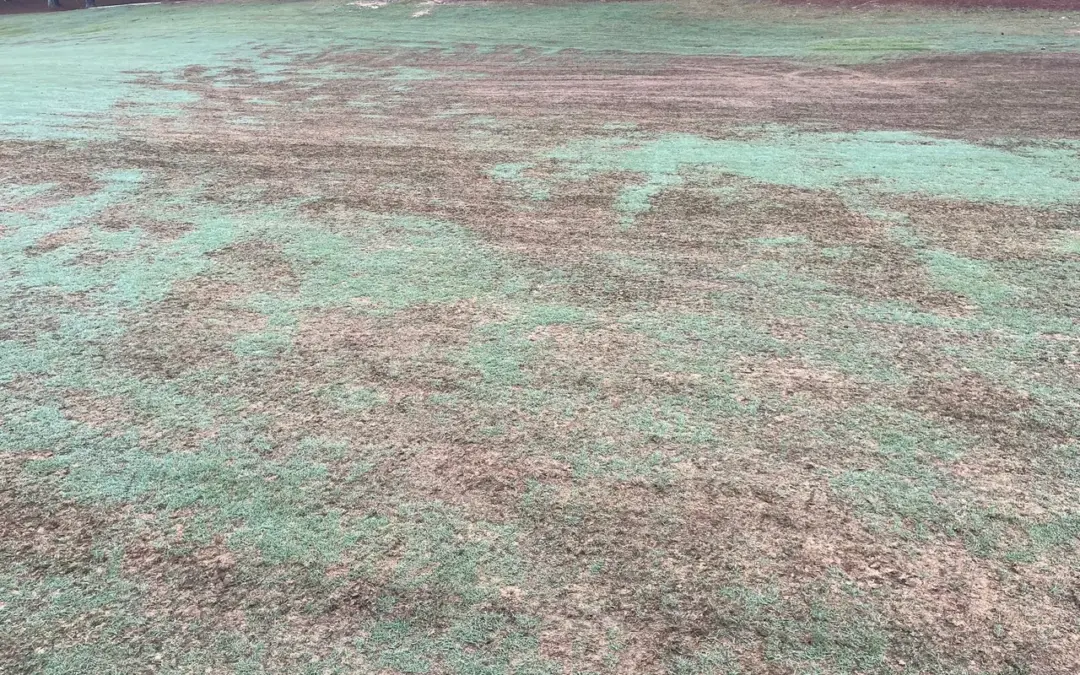
January 1 always feels a little different around here. The pine trees stand tall and quiet, the sand stays sand no matter how much rain we get, and most lawns across Cumberland County are resting after another long Carolina growing season.
If you’re looking out over a brown yard this morning and wondering what 2026 has in store, you’re not alone. Around Fayetteville, Hope Mills, Spring Lake, and the communities that surround Fort Bragg, January is less about action and more about intention.
This post kicks off a full year of weekly lawn and landscape guidance written specifically for our local soils, weather, and way of life here in the Sandhills.
January Lawns in the Sandhills: Quiet, but Not Neglected
If your lawn looks dormant right now, that’s exactly what it should be doing. Most warm-season turfgrasses common in Cumberland County are conserving energy. Growth has slowed, but important processes are still happening below the surface.
This is the time of year when:
- Roots are maintaining themselves, not expanding aggressively
- Soil moisture matters more than mowing
- Traffic damage can linger longer than you expect in sandy soils
NC State Extension guidance reminds us that winter is a management season, not a treatment season. What you don’t do in January often matters more than what you do.
What a “Fresh Start” Really Means for 2026
A fresh lawn year doesn’t start with fertilizer or spray. It starts with awareness.
January is ideal for:
- Taking an honest look at thin areas, drainage issues, and shade problems
- Noting where pine straw, leaves, or debris collected heavily last fall
- Thinking ahead to spring weeds before they show up
Around here, sand and pine needles are part of the deal. Fighting them blindly never works. Planning around them does.
Common January Questions We Hear Locally
Should I be doing anything to my lawn right now?
- Mostly observation and cleanup. Light debris removal and keeping traffic off soggy turf go a long way this month.
Is my lawn dead?
- In almost every case, no. Dormancy is normal for our grasses in winter temperatures.
Can I get ahead of spring weeds in January?
- This is the thinking season, not the application season. Strategy now prevents scrambling later.
How This Blog Will Help You This Year
Every Monday in 2026, we’ll be sharing:
- Plain-spoken lawn guidance rooted in NC State Extension research
- Seasonal “what to watch for” notes specific to Cumberland County
- Clear lines between DIY-friendly tasks and jobs best handled professionally
We’ll keep recommendations practical, local, and realistic for both homeowners who like to get their hands dirty and those who’d rather hand it off.
If you have questions about what you’re seeing in your yard—or want help planning ahead for the coming season—you don’t have to go it alone. We’re always glad to talk it through and be part of your team, whether that means a simple DIY consultation to point you in the right direction or a completely hands-off approach where you sit back, sip lemonade, and enjoy the view from the lawn chair.
This year’s lawn success doesn’t start in spring. It starts right now, with a clear head, a little local know-how, and neighbors willing to help neighbors. Our goal is bigger than grass—we want to help beautify our community and strengthen it through teamwork, because “A rising tide raises all ships in the harbor.”
Vince Blackman
Blackman & Sons Lawns and Landscapes
(919) 283-6426
vince@blackmanandsons.com
blackmanandsons.com